A missed water-treatment lead isn't a lost email — it's a four-figure installed job handed to whoever answered first (a water softener averages about $3,100; This Old House, 2026). And it's worse than a lost sale, because you already paid to generate it: home-services leads cost about $91 each in paid search (LocaliQ, 2025), and that money is gone whether or not anyone picked up. Much of that demand also arrives when the shop is closed — evenings and weekends, when a homeowner notices a stain or a smell and starts searching — so the leak is structural, not occasional. Closing that gap is the biggest single win in the broader guide to getting more water-treatment leads.
How much is one water-treatment lead actually worth?
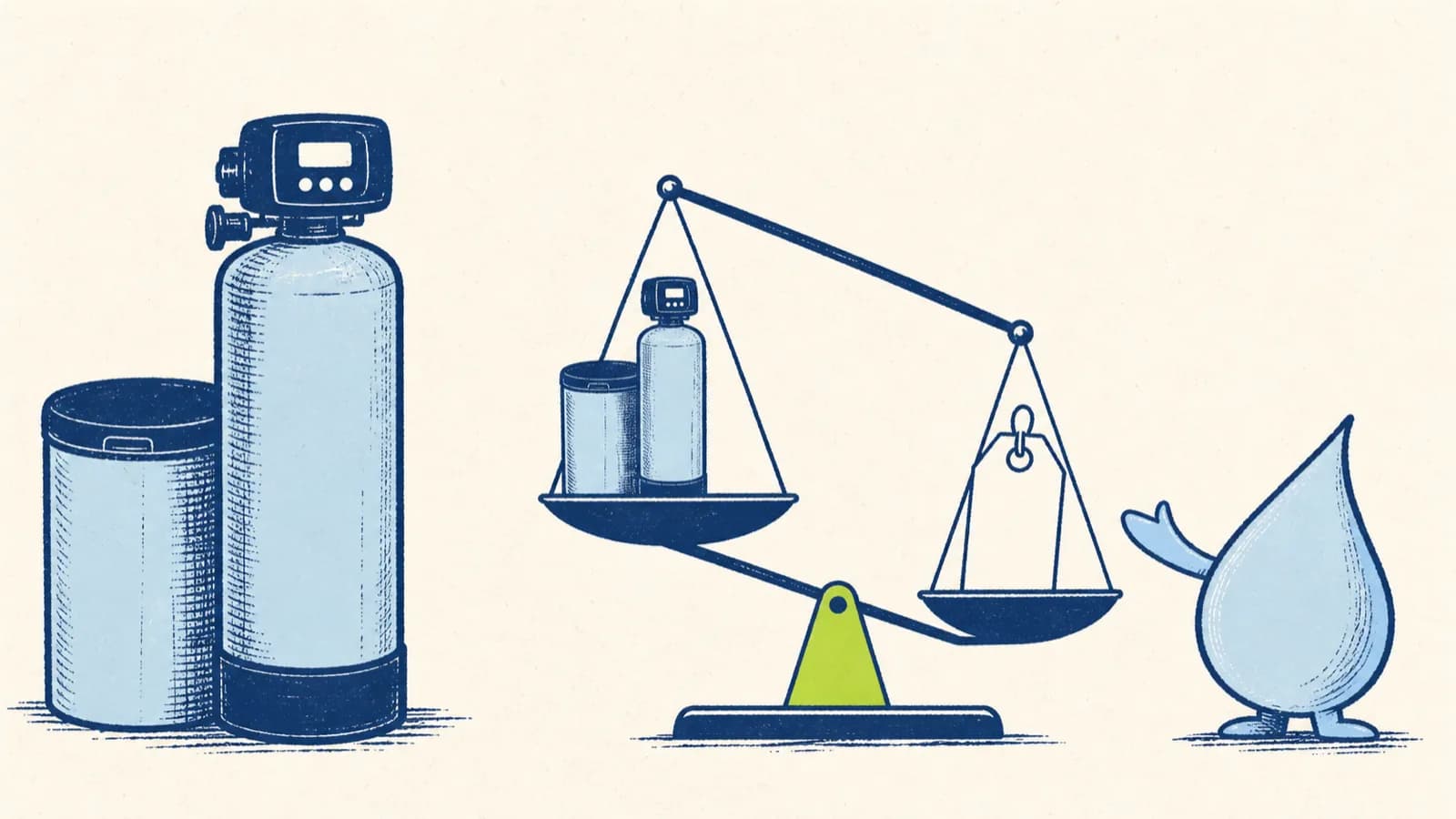
Start with the number on the other end of the form, because it reframes everything. A water softener — the most common water-treatment sale — averages about $3,100 and runs from a few hundred dollars up to $6,000 (This Old House, 2026), with whole-house and reverse-osmosis systems often higher. That's the job riding on a single inquiry — not a newsletter signup, a scoped install with equipment, labor, and years of service behind it.
National-average price of a residential water softener — the job riding on each lead.
Source: This Old House, 2026
Average cost to generate one home-services lead in paid search — sunk whether or not you answer.
Source: LocaliQ, 2025
Share of callers pushed to voicemail who leave a message — the rest call the next result.
Source: Invoca, 2024
What did that lead already cost you to generate?
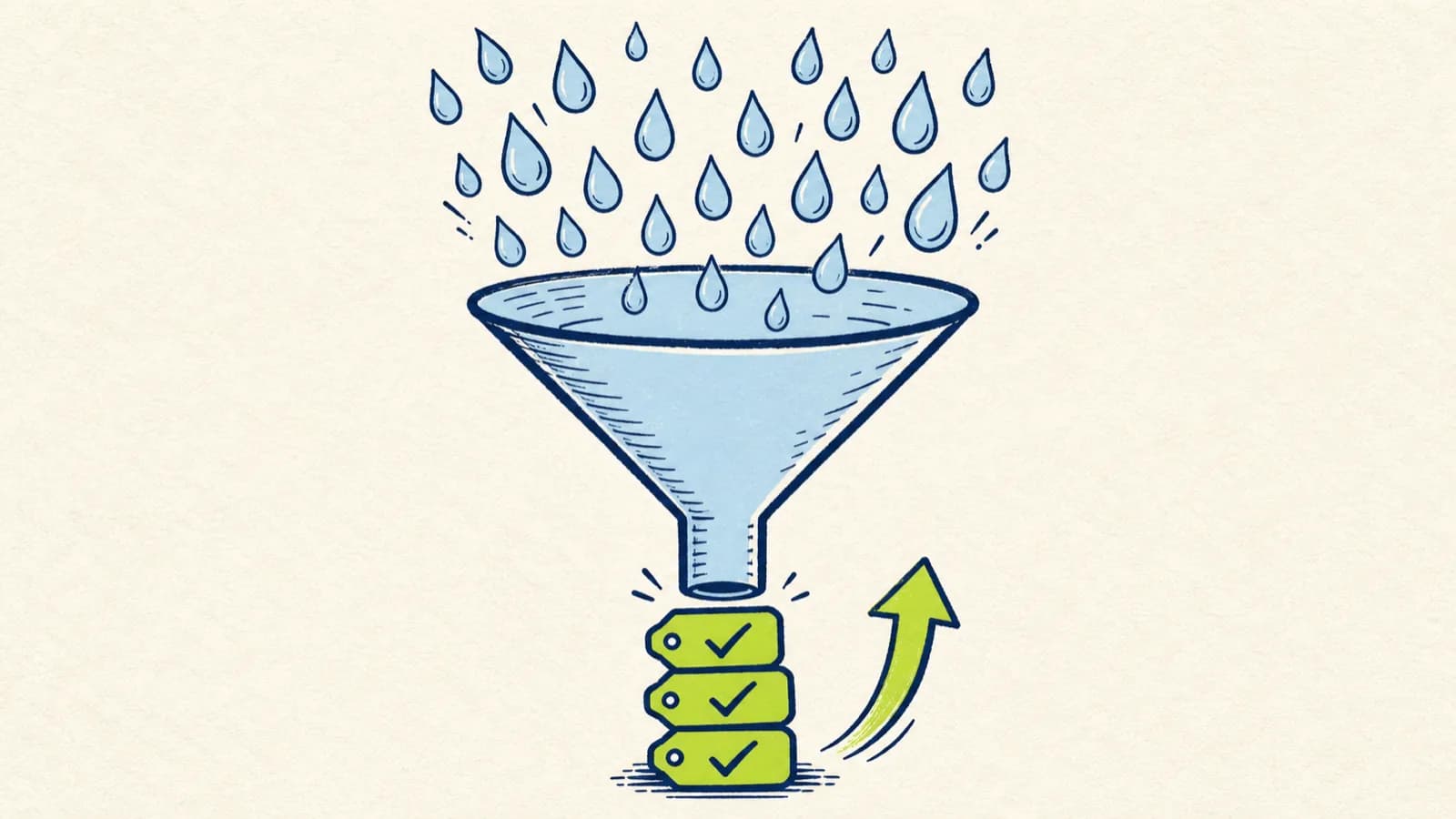
This is the part dealers under-count. Home-services leads average about $91 each through paid search (LocaliQ, 2025), and that's before you add SEO, your website, referrals, and brand — the whole machine that produced the inquiry. When a lead goes unanswered, none of that spend comes back. You paid full price for a lead and got nothing for it, which is why a missed lead is the most expensive kind of waste: full acquisition cost, zero revenue.
How fast do you have to answer before it's gone?
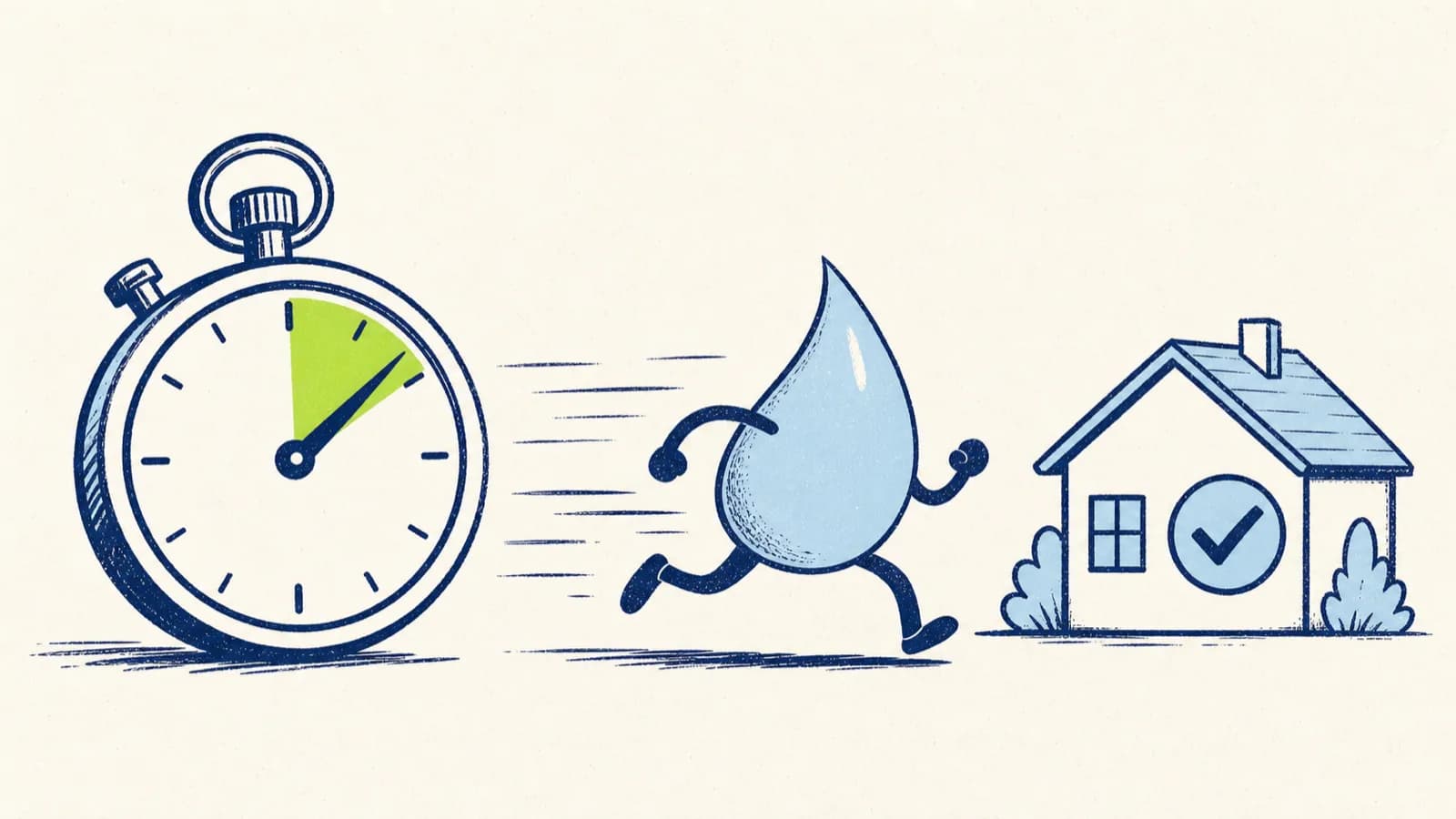
Fast enough that "we'll call you tomorrow" is already too late. Responding within 5 minutes instead of 30 makes you about 100× more likely to reach the lead and 21× more likely to qualify it (MIT/InsideSales, 2007). Contact within the first hour makes you more than 60× more likely to qualify than waiting a day (HBR, 2011).
Now the gap: the average business takes 42 hours to respond to a web lead (HBR, 2011). In water treatment, 42 hours is the difference between booking the in-home test and reading about the install on a competitor's review page. This is the whole mechanism behind speed to lead, and it's why the first response — not the follow-up — decides the sale.
How many leads are you actually missing?
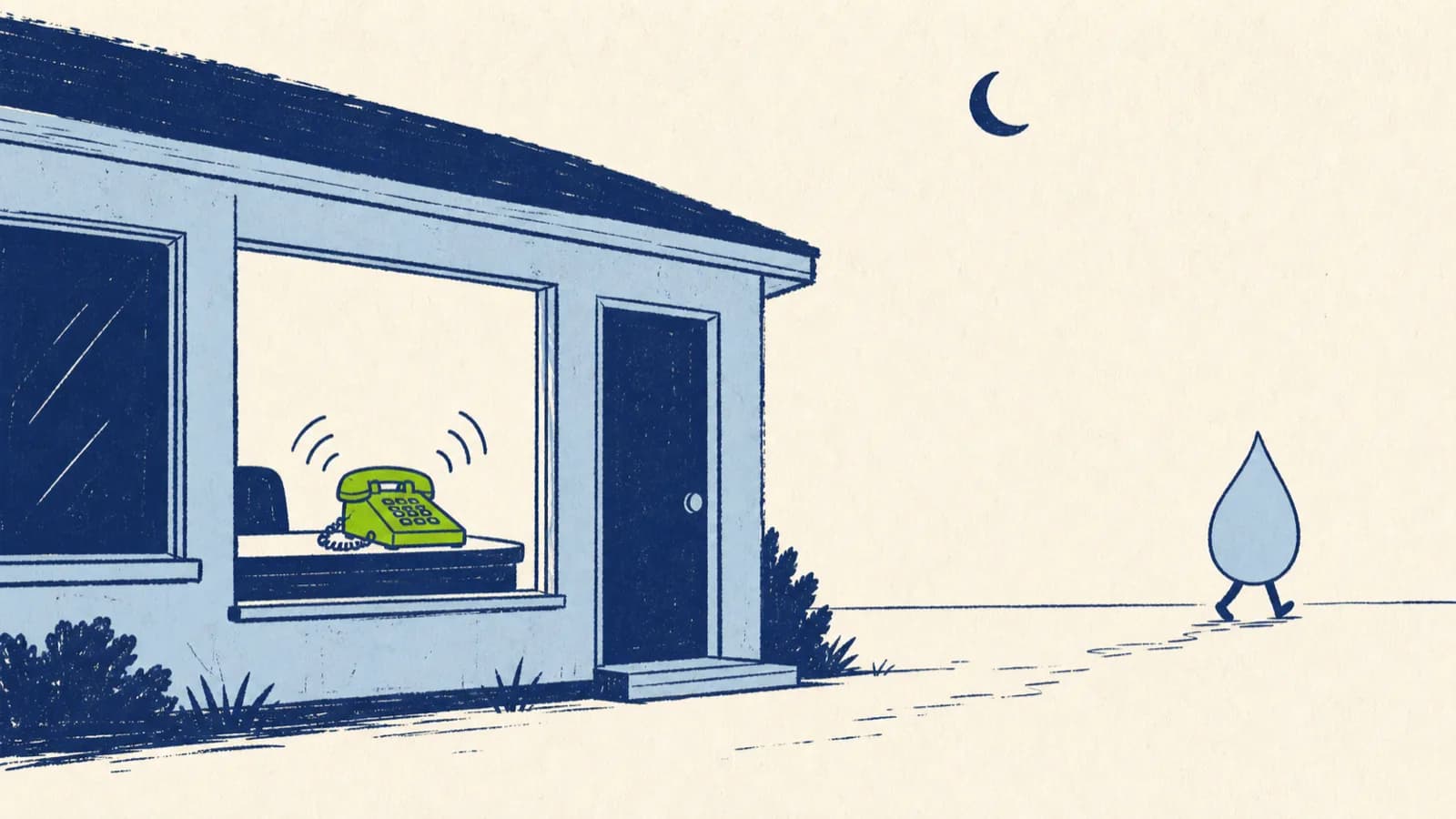
More than the voicemail count suggests. About 27% of calls to home-services businesses go unanswered (Invoca, 2024), and fewer than 3% of callers routed to voicemail leave a message — they just call the next result (Invoca, 2024). Web forms leak the same way: submitted at 9 p.m., answered at 10 a.m., by which point the homeowner has filled out two more.
The flip side is the opportunity. When a home-services call does get answered, 46% of those leads convert on the call (Invoca, 2025). The leads are high-intent; the losses are almost entirely about whether someone — or something — responded in the moment.
Where do water-treatment leads actually leak?
It's rarely one big hole. It's four small ones that all point the same direction — the homeowner gets silence when they wanted an answer:
- After-hours web forms. Submitted in the evening, answered late the next morning if at all.
- Missed calls. The phone rings after close and goes to voicemail; most people don't leave one.
- Slow first response. Even during the day, a lead that waits hours has usually already talked to someone faster.
- Generic replies. "Someone will call you back" isn't an answer to "is my water safe?" — it doesn't build the trust that books a test.
What's the real cost for a dealer your size?
The honest answer is that it depends on your volume, your ticket, and how many you already recover — so model it rather than trust a headline. The shape of the math is simple, though.
How do you stop losing them without hiring a night shift?
You don't fix an after-hours problem by working nights. You fix it by making the first response instant, specific, and useful — then letting your team take the warm lead in the morning.
- 1
Answer instantly
Every visitor and caller gets a real reply in the moment — 24/7 — not a next-day callback. - 2
Diagnose, don't deflect
Look up the ZIP's water, name the likely problem, and explain it in plain language. That's what earns the next step. - 3
Book the test
Turn the conversation into an in-home test on the calendar while intent is high — the real conversion, not a form fill. - 4
Hand off warm
Pass your team a pre-diagnosed lead with the whole thread attached, so the morning starts with a booked job, not a cold list.
On your website, an AI water specialist does all four automatically: it diagnoses the visitor's water from EPA data, recommends from your catalog, and books the test at 9 p.m. as easily as at 9 a.m. On the phone, an answering service or missed-call text-back covers the same gap. If you already run 24/7 human intake that can diagnose and book, the tool's job shifts to your website's silent visitors instead. The point isn't the tool — it's that the homeowner who reaches out after hours still becomes your customer, instead of the one who answered first.